

High temperatures across most regions of the Kingdom make heat transfer through walls, roofs, and windows a primary cause of escalating air conditioning loads. Thermal insulation limits this transfer, maintaining a more stable indoor temperature and reducing pressure on cooling systems. Thermal insulation is applied using materials with low thermal conductivity during construction or in existing buildings, with immediate results visible in reduced electricity consumption, improved thermal comfort, and extended lifespan of structural elements exposed to daily thermal cycles.
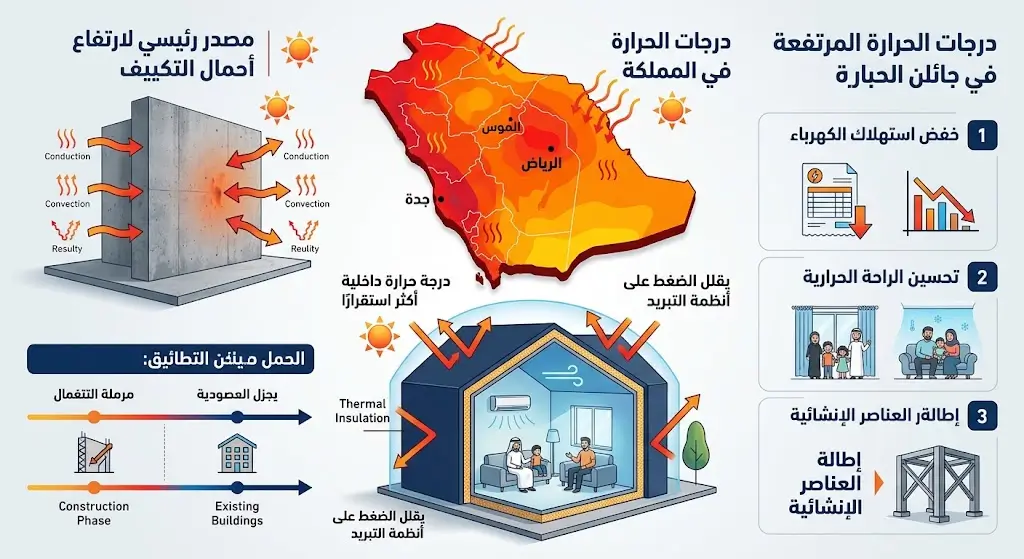
Table of Contents
- What is Thermal Insulation and How Does It Work?
- Why is Thermal Insulation Essential in the Kingdom? What are the requirements of the Saudi Building Code for thermal insulation?
- What are the Common Types of Thermal Insulation Materials?
- Where is Thermal Insulation Applied in a Building?
- What are the Benefits of Thermal Insulation for Facility and Project Owners?
- What are the Common Mistakes That Reduce Thermal Insulation Efficiency?
- How is Thermal Insulation Properly Executed?
- What is the Relationship Between Thermal Insulation, Safety Systems, and Contracting?
- Frequently Asked Questions About Thermal Insulation
- Conclusion
📞 Call Us |
What is Thermal Insulation and How Does It Work?
Thermal insulation is a process aimed at preventing or reducing heat transfer between the interior and exterior of a building across three primary mechanisms: conduction, convection, and radiation. Insulating materials contain air voids or cellular structures that significantly slow down the movement of heat.
In summer, insulation minimizes the infiltration of external heat, while in winter it helps retain indoor thermal energy. It is estimated that heat penetrating through walls and roofs on hot days accounts for approximately 60% to 70% of the total thermal load that air conditioning systems must handle; therefore, thermal insulation works primarily target these envelope elements.
Thermal conductivity and thermal transmittance coefficients are critical metrics when evaluating insulation performance. Additionally, the thermal resistance value (R-Value) is used to quantify a material's capacity to resist heat flow—the higher the R-Value, the greater the thermal resistance of the material.
Why is Thermal Insulation Essential in the Kingdom?
The Saudi climate is characterized by high summer temperatures and significant temperature variations between day and night. Uninsulated buildings absorb heat during daylight hours and release it gradually at night, which maintains high indoor temperatures and increases air conditioning operating hours.
The Saudi Energy Efficiency Center emphasizes the role of thermal insulation in boosting energy efficiency within buildings. Actual savings percentages vary depending on execution quality, material type and thickness, the extent of thermal bridging mitigation, and overall building design.
Beyond lowering energy consumption, thermal insulation mitigates the impact of frequent thermal stress on building components, and contributes to reducing moisture and condensation issues when the system is properly engineered and installed.
What are the Saudi Building Code Requirements for Thermal Insulation?
The Saudi Building Code includes mandatory requirements related to energy efficiency and thermal insulation within energy conservation sections. Required values vary according to the climatic zone, building architecture, and envelope components. Key elements evaluated include:
- Roofs and ceilings.
- External walls.
- Floors.
- Windows and doors.
- Thermal bridges.
- Building envelope airtightness.
The required thermal properties differ by climatic zones, such as hot and humid coastal regions like Jeddah versus hot and arid inland zones like Riyadh.
Therefore, it is recommended to reference the latest edition of the Saudi Building Code and consult a specialized engineering firm to verify the exact values and criteria applicable to the project.
What are the Common Types of Thermal Insulation Materials?
Thermal insulation materials vary based on required performance levels, moisture and fire resistance, substrate type, and budget. Among the most prominent options utilized:
Polyurethane Boards and Spray Foam
Characterized by a very low thermal conductivity factor, polyurethane can be applied as rigid boards or via spray foam, effectively sealing gaps and delivering a continuous insulation barrier. It is widely used for roofs and walls, provided suitable protective coatings against weathering and UV radiation are applied where required.
Expanded and Extruded Polystyrene (EPS & XPS)
Expanded Polystyrene (EPS) is lightweight and relatively cost-effective, whereas Extruded Polystyrene (XPS) offers higher density and superior moisture resistance, making it suitable for various applications including roofs, floors, and specific cavity wall assemblies.
Rockwool and Glasswool
Rockwool and glasswool provide balanced thermal and acoustic insulation performance, with certain products exhibiting high fire resistance ratings. They are commonly applied in walls, ceilings, warehouses, and industrial facilities, provided proper installation techniques maintain insulation integrity.
Reflective Paints and Thermal Coatings
Reflective coatings work by minimizing solar radiation absorption and can serve as a complementary measure to core insulation systems, especially on existing structures where adding thick bulk insulation layers is structurally challenging.
Selecting the optimal material depends on the application location, code criteria, moisture levels, fire rating requirements, building type, and allocated budget.
📞 Call Us |
Where is Thermal Insulation Applied in a Building?
Thermal insulation can be applied across multiple building zones, with the configuration selected based on design and operational function:
- Roofs and Ceilings: Represent the most critical points of heat ingress; an integrated thermal insulation setup can be executed alongside waterproofing and protective layers.
- External Walls: Insulation can be applied externally, internally, or within cavity walls depending on the architectural specification.
- Floors: Insulation is especially vital over unconditioned parking structures or uncooled basement zones.
- Windows and Doors: Double glazing and thermally broken frames significantly minimize conductive heat transmission.
- Tanks and Piping: Insulation maintains water temperature stability and curtails thermal loss across networks.
In existing structures, applying insulation from the exterior or interior is evaluated based on structural conditions, accessibility, and project scope.
What are the Benefits of Thermal Insulation for Facility and Project Owners?
Implementing thermal insulation yields significant operational and economic advantages, including:
- Lowering electricity consumption, especially during peak summer seasons.
- Reducing the capacity requirements of HVAC machinery.
- Enhancing indoor thermal comfort.
- Mitigating thermal expansion and contraction stresses on concrete structures.
- Facilitating compliance with energy efficiency codes and municipal regulations.
- Optimizing long-term facility operating expenditures.
- Increasing asset market valuation when backed by certified insulation documentation.
Across commercial, industrial, and logistics warehouse properties, the impact of insulation translates directly into reduced monthly operating costs.
What are the Common Mistakes That Reduce Thermal Insulation Efficiency?
Several execution errors can degrade insulation performance even when premium materials are specified:
- Leaving uninsulated thermal bridges at concrete columns and beams.
- Using insulation thicknesses below calculated project engineering requirements.
- Failing to shield insulation layers from moisture and outdoor exposure.
- Leaving voids between insulation boards or poorly sealing joints.
- Selecting materials incompatible with regional humidity or climatic conditions.
- Executing installation without professional engineering oversight.
- Omitting mandatory quality and continuity inspections.
These mistakes degrade efficiency and drive up future corrective maintenance costs.
How is Thermal Insulation Properly Executed?
Proper execution relies on analyzing the building envelope and selecting the appropriate system prior to installation, outlined in these core steps:
- Auditing the building envelope and identifying critical heat transfer points.
- Determining required thermal performance values based on site location and code.
- Selecting the optimal insulation material regarding performance and thickness.
- Preparing substrates and treating cracks or dampness prior to application.
- Installing insulation materials ensuring continuous, unbroken coverage.
- Treating thermal bridges, penetrations, and joints.
- Applying suitable protective layers based on system type.
- Inspecting execution quality to verify compliance with technical standards.
- Documenting engineering works Technical documents where required.
Major projects should be conducted under specialized engineering supervision to satisfy code accreditation mandates.
What is the Relationship Between Thermal Insulation, Safety Systems, and Contracting?
Selecting thermal insulation materials correlates directly with passive fire safety requirements, particularly for facilities subject For specific requirements relating to fire protection. Certain materials, such as rockwool, offer non-combustible properties that enhance structural fire resistance.
Moreover, thermal insulation integrates with general contracting and life safety setups—such as alarm and suppression networks, fire pumps, and الأمن والسلامة blueprints—delivering a unified MEP and building envelope solution.
Thermoshield Safety and Contracting Company provides comprehensive thermal insulation solutions alongside Safety work and general contracting. Our portfolio covers fire alarm and suppression networks, fire pumps, safety plan approvals, risk assessment studies, and civil, electrical, and mechanical contracting works.
Serving projects in Jeddah and across Saudi Arabia, Thermoshield provides verified engineering solutions tailored to technical project parameters.
Frequently Asked Questions
Is thermal insulation mandatory in Saudi Arabia?
Yes, thermal insulation and energy efficiency standards are mandated under the Saudi Building Code for covered buildings, with specifications varying by occupancy class, climatic zone, and code version.
How much does thermal insulation save on electricity bills?
Savings correlate with building design, insulation type and thickness, installation precision, and HVAC efficiency. Properly engineered systems consistently achieve substantial reductions in cooling energy consumption.
What is the best roof insulation material for hot regions?
No single material suits every application; selection depends on structural design, code criteria, moisture levels, fire rating requirements, and cost. Common options include polyurethane foam and XPS boards.
Can an existing building be thermally insulated?
Yes, thermal insulation can be applied to existing structures externally or internally based on structural condition, accessibility, and project goals.
What is the difference between thermal insulation and waterproofing?
Thermal insulation restricts heat transfer, whereas waterproofing prevents water ingress and moisture penetration. Both systems are typically combined on roofs to deliver comprehensive envelope protection.
Does thermal insulation require periodic maintenance?
Protective and finish layers require Periodic check to ensure structural integrity, particularly on exposed roof surfaces subjected to direct sunlight and weather fluctuations.
How do I verify insulation compliance with the building code?
Compliance is confirmed by selecting certified materials, calculating required thermal performance metrics, executing installation according to approved designs, and engaging licensed engineering consultants for verification.
📞 Call Us |
Conclusion
Thermal insulation for buildings in Saudi Arabia is an investment that enhances energy efficiency, curtails cooling loads, and elevates indoor comfort while safeguarding structural components when properly designed and installed. Insulation efficacy depends on selecting appropriate materials, calculating optimal thicknesses, mitigating thermal bridging, adhering to Saudi Building Code mandates, and executing installation through professional engineering standards.
1.Planning and Design
Electrical works begin with the planning and preliminary design of the building’s electrical system. This includes determining the locations of electrical connections, specifying the number of outlets, switches, light fixtures, and other required devices
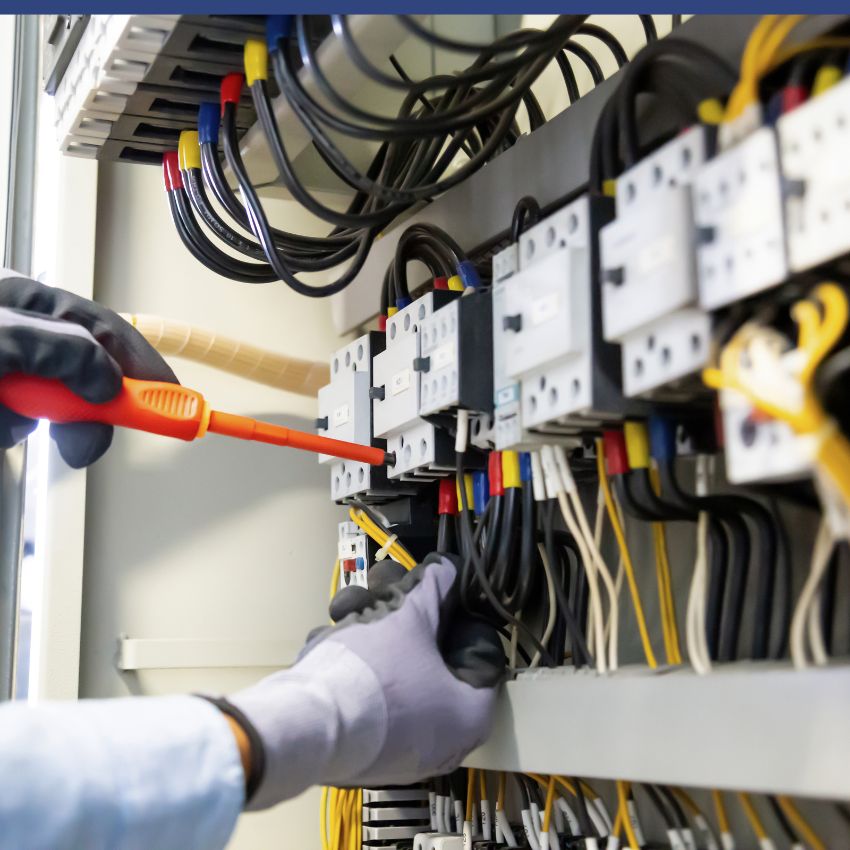
2.Wiring and Electrical Connections
This involves installing and connecting electrical wiring throughout the building. Various types of electrical cables are used to deliver power from the main supply source to the different devices and systems
3.Installation of Electrical Devices
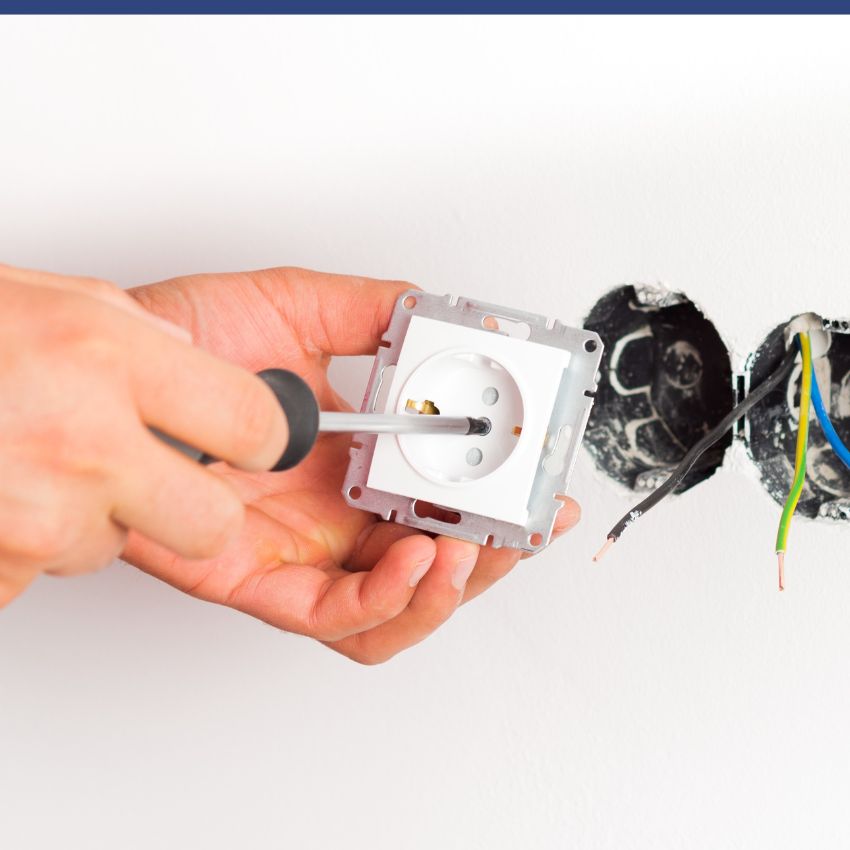
This covers the setup and connection of electrical equipment in the building, such as lighting fixtures, switches, outlets, air conditioners, electric ovens, and more, ensuring each device is properly connected to the electrical wiring.
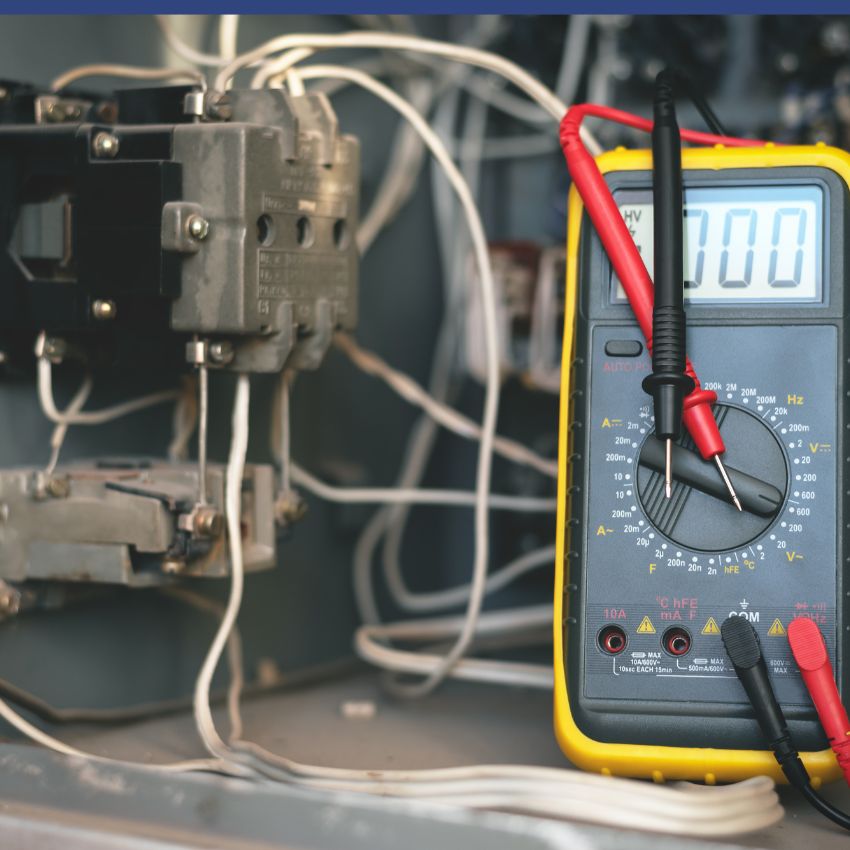
4.Maintenance and Repair
This includes regular maintenance and troubleshooting in case of any faults in the electrical system. We inspect wiring and equipment to ensure their safety and proper operation, maintaining the building’s safety and ensuring efficient, professional performance in line with the highest standards
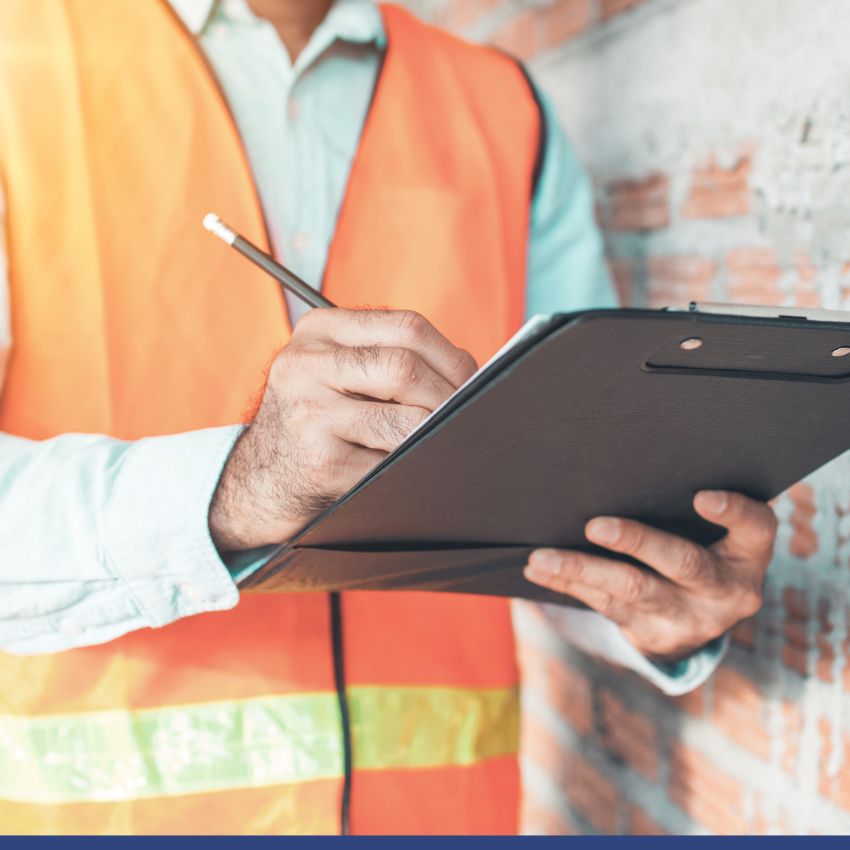
5. Safety and Insurance
Safety is one of the most important factors in our electrical works. We follow proper safety procedures during the execution of electrical tasks to prevent project accidents and avoid any errors. In addition, we provide insurance for the electrical system to ensure its safety and continuous operation
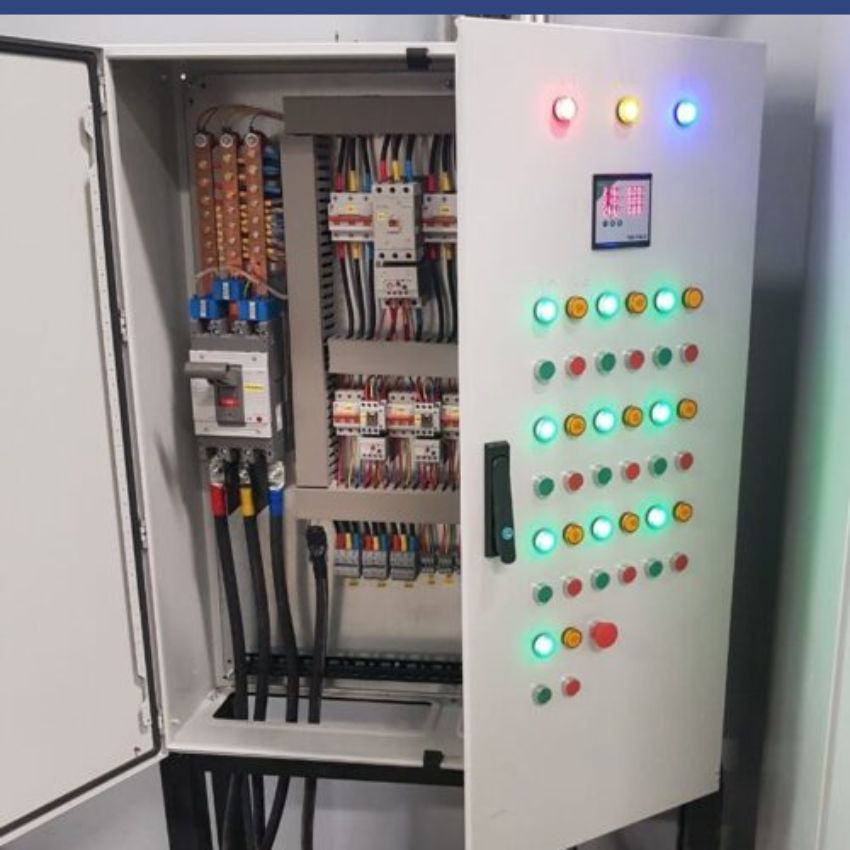
6. Electromechanical Works
ThermoShield for Safety & Contracting Company provides integrated electromechanical services, including air conditioning systems, electrical installations, plumbing works, and fire protection systems, all executed to the highest quality standards to ensure efficiency and safety in residential and commercial projects