
Safety and Security Plan Design
Importance of Safety Plan Design
Designing safety and security plans is essential for protecting lives and property. Thermo Shield provides complete solutions that follow national and international standards. Moreover, these plans build a strong foundation for safe project execution.
Compliance with Standards
Our specialized team follows the Saudi Building Code and Civil Defense regulations. Furthermore, we adopt global standards such as NFPA and IEC. This compliance ensures that every plan meets legal and quality requirements.
Coordination with Consultants
We coordinate with certified consultants to approve and submit plans to official authorities. Additionally, this process increases credibility and speeds up project approval. As a result, clients receive officially recognized safety plans.
Detailed Technical Drawings
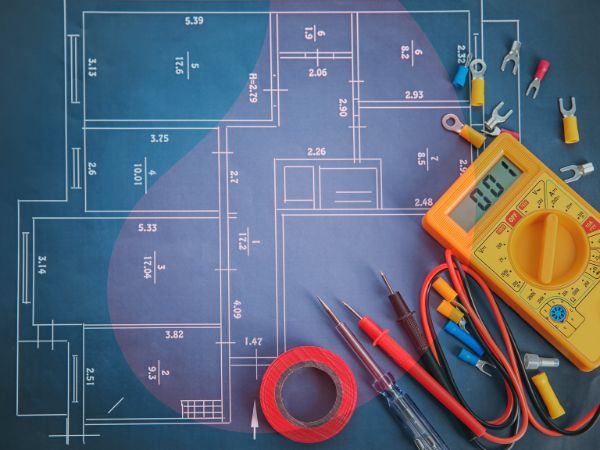
We prepare detailed plans showing exact dimensions, materials, and installation methods. Moreover, these details guide contractors to execute projects with precision. Consequently, errors are minimized, and quality is improved.
Integration Across Disciplines
Safety plans connect different project disciplines, including architecture, structure, mechanical systems, HVAC, plumbing, and fire protection. Furthermore, this coordination prevents conflicts. It also saves significant time and resources during execution.
Ensuring On-Site Compliance
Plans are used to verify that on-site implementation matches approved specifications. Moreover, they serve as an effective tool for quality assurance. Thus, safety plans become essential in professional project management.
Why Choose Thermo Shield?
Thermo Shield delivers accurate and reliable safety plan designs. With proven expertise, we ensure full compliance with local and global standards. Furthermore, our solutions help organizations protect lives and achieve long-term sustainability

Importance of Detailed Plans:
- Clear and Accurate Representation: Detailed plans show precise execution details such as exact dimensions, materials used, and installation methods.
- Coordination Between Disciplines: They facilitate coordination among different teams, including architectural, structural, mechanical, HVAC, plumbing, and fire safety.
- Quality Assurance: They are used to verify that on-site execution complies with the required specifications.